EMI vs Rent in 2026: Should You Buy or Rent a Home
The Indian real estate market in 2026 is witnessing a major shift in buyer preferences. Rising rental prices, improving infrastructure, and flexible home loan options are encouraging many people to rethink their housing decisions. As metro cities continue to expand and suburban areas become more connected, the debate around renting vs owning a home has become more relevant than ever.
For young professionals, growing families and investors, the biggest question remains simple: should you continue paying monthly rent or start building ownership through EMIs? While both options have their advantages, the right choice depends on your financial goals, lifestyle plans and long-term stability.
Understanding the Difference Between EMI and Rent
Rent is a monthly payment made to occupy a property owned by someone else. Once paid, it offers no future financial return. On the other hand, EMI is a structured monthly payment towards owning your property over time.
When deciding whether to rent a house or buy a house, it is important to look beyond the monthly amount. Ownership creates an asset while renting provides flexibility.
Here are some factors people are considering in 2026:
-
Increasing rental rates in urban areas
-
Tax benefits on home loans
-
Better financing options from banks
-
Growing demand for larger and future-ready homes
-
Improved infrastructure in emerging locations
Why More Buyers Are Choosing Homeownership
Many homebuyers today are looking at property as both a lifestyle upgrade and a long-term investment. The post-pandemic years have changed housing expectations significantly. Buyers now prefer homes that offer comfort, connectivity and space for work-life balance.
People asking whether it is better to buy or rent a house are increasingly leaning towards ownership because of long-term financial security.
1. EMIs Help Build Ownership
Every EMI paid contributes towards owning an appreciating asset. Unlike rent, the payment eventually leads to complete ownership of the property.
This is one of the biggest reasons why people are moving away from temporary housing solutions.
2. Property Value Appreciation
Real estate continues to remain one of the most stable investment options in India. Areas with upcoming infrastructure projects often see steady appreciation over time.
Locations with better roads, metro connectivity and commercial growth are attracting more buyers in 2026.
3. Stability for Families
Owning a home provides emotional and financial stability. Families no longer have to worry about lease renewals, shifting frequently or rising rents every year.
This makes homeownership more appealing for long-term living plans.
When Renting Makes More Sense
Although ownership has many benefits, renting still works better for certain lifestyles.
People who frequently relocate for work or are uncertain about long-term settlement may find renting more convenient. Those still building financial stability may also prefer lower short-term commitments.
For individuals wondering if renting a house is better than buying, the answer depends on personal priorities and plans.
Renting may work well if:
-
You plan to move cities within a few years
-
You want flexibility without long-term commitment
-
You are still saving for a down payment
-
You prefer lower maintenance responsibilities
However, rising rental inflation in major cities is making renting less financially attractive over time.
Infrastructure Growth Is Changing Buyer Decisions
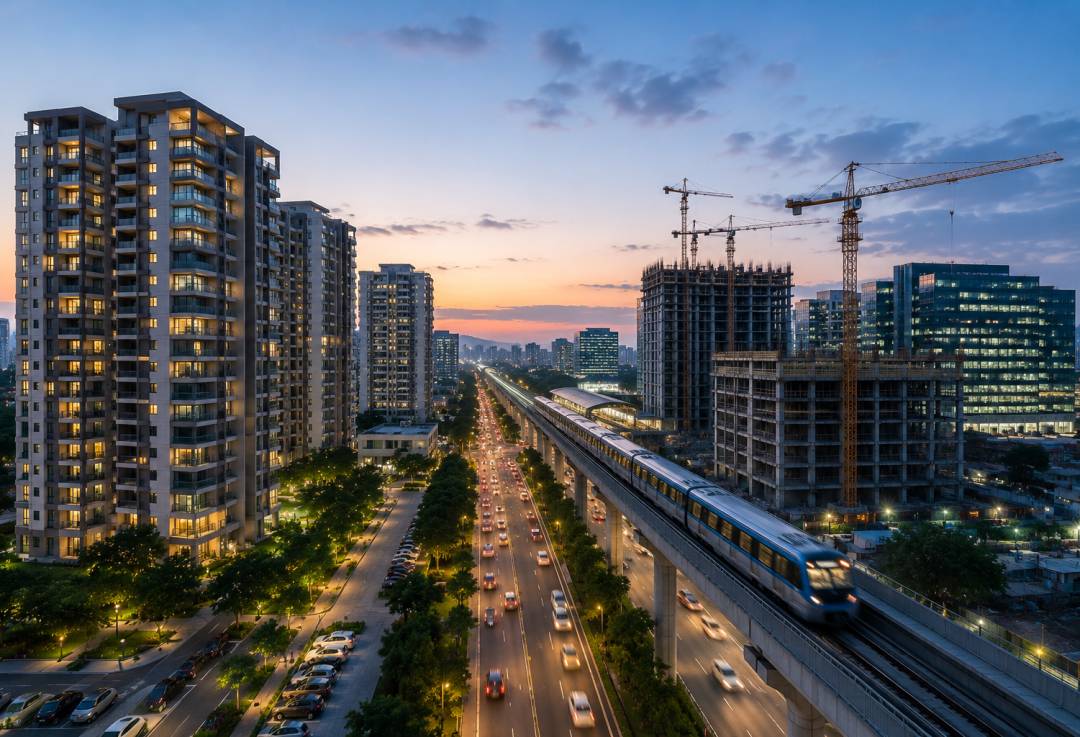
One of the biggest reasons people are choosing ownership today is infrastructure development in emerging areas. Buyers are no longer focused only on central city locations. Well-connected suburbs are becoming the preferred choice because they offer better value and future growth potential.
Developers are now creating integrated communities with lifestyle amenities, open spaces and improved accessibility.
This shift has strengthened the conversation around renting vs owning a home, as buyers now have access to quality homes in developing locations at better prices.
Financial Factors to Compare in 2026
Before making a decision, it is important to evaluate your financial situation carefully.
Compare Monthly Outflow
In many cities, the difference between rent and EMI is becoming smaller. This makes ownership more practical for buyers planning long-term stays.
Consider Tax Benefits
Home loan borrowers can claim tax benefits on principal and interest payments, which reduces the overall financial burden.
Think Long-Term
Renting may appear affordable today, but it does not create future wealth. Property ownership offers long-term asset appreciation and financial stability.
People deciding whether to rent a house or buy a house should focus on future returns instead of only current expenses.
The Growing Demand for Better Lifestyle Homes
Modern buyers are not just purchasing homes for shelter. They are investing in lifestyle, convenience and community living.
In 2026, demand is especially strong for projects that offer:
-
Smart layouts
-
Lifestyle amenities
-
Green spaces
-
Good connectivity
-
Work-from-home-friendly environments
Developers like Austin Realty are responding to these evolving buyer expectations by creating thoughtfully planned residential spaces that combine comfort with future-ready living.
Conclusion
The decision between rent and EMI ultimately depends on your financial goals, lifestyle preferences and plans. Renting offers flexibility while ownership creates long-term value and stability.
As infrastructure improves and housing demand continues to rise, more buyers are realising that paying EMIs can often be a smarter long-term financial choice. For those planning stability, wealth creation and lifestyle growth, buying a home in 2026 may prove more rewarding than renting.
If you are exploring thoughtfully designed homes with excellent growth potential, visit at Austin Realty and discover projects built for modern urban living.
FAQs
1. Is it better to buy or rent a house in 2026?
Buying is better for long-term stability and asset creation.
2. Is renting a house better than buying for short-term living?
Yes, renting works well for people needing flexibility.
3. What is the biggest advantage of paying EMIs?
EMIs help you gradually own a valuable asset.
4. Why are more people choosing homeownership today?
Better infrastructure and rising rents are encouraging ownership.
5. How do I decide between renting and buying?
Compare your long-term financial goals and lifestyle needs.